Beyond the Shine: Understanding Gloss in Laminates and Edgebanding

The 2025 Palette: Kitchen Cabinet Color Trends
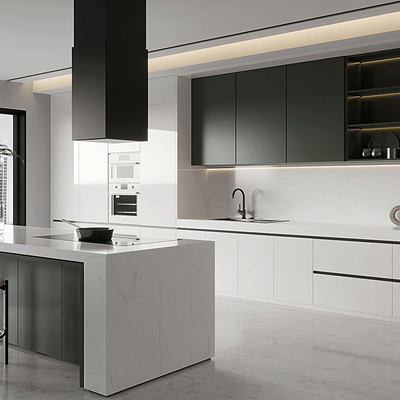
The selection of edgebanding is intrinsically linked to the current trends driving the cabinetry and laminate industry. The market for 2025 is moving away from stark, sterile colors toward palettes that emphasize warmth, nature, and comfort. These are the dominant color trends influencing kitchen design:
- Warm Neutrals: The shift is from cool gray and stark white toward more inviting tones like greige (gray-beige), soft taupe, and creamy off-whites. These colors create a timeless, comforting base that works seamlessly in almost any style of kitchen.
- Earthy Greens: Driven by the desire for biophilic design (bringing the outdoors in), deep, muted greens like sage, olive, and forest green have taken center stage. They pair beautifully with natural wood accents and warm metallic hardware.
- Moody Blues and Charcoal: For homeowners seeking sophistication and drama, deep navy blue and charcoal gray/matte black remain powerhouse choices. These darker hues are often used for lower cabinets or kitchen islands to create an elegant, grounded focal point.
- Two-Tone Designs: A continuing trend is the use of two complementary colors—often a lighter shade on upper cabinets (like a soft white) and a darker, bolder shade (like navy or green) or light and dark wood tones (like white oak or walnut) on the lower cabinets or island—to add visual depth and interest.
Gloss: The Unifying Component
Much like the colour and design components of laminates and edgebanding, gloss has also become a component of fashion. From the very low gloss velvet-like finishes, to the high gloss mirror-like finishes, gloss is being marketed as fashionable option to explore when choosing your décor.
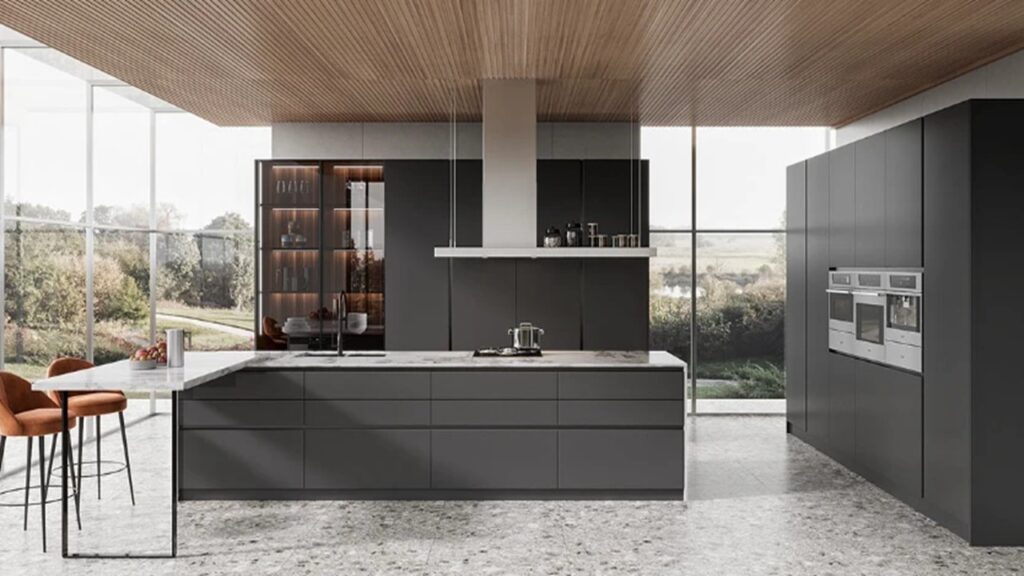
Matte finishes are en vogue in modern kitchen designs
Topcoat: The Maker of Gloss Levels
Gloss is adjusted via a topcoat which is applied in the same fashion as the printed components of the edgebanding. It not only creates some aesthetic components (gloss, surface uniformity and enhanced colour saturation) but also provides some physical protection from scuffs and environmental enemies (UV light, heat and humidity).
Gloss Levels: Numeric Not Descriptive
The marketing aspect of gloss is quite varied and imaginative, with each supplier/manufacturer developing different terminology to have their offering fall into their programme’s theme and set themselves apart from the rest of the market. The same gloss level will carry a number of supplier specific descriptive names throughout the industry. For instance the very low gloss finishes are marketed as Matte, Supermatte, Velvet and Traceless just to name a few. Similarly, the high gloss finishes are offered as Polished, High Gloss, Reflekt, and Mirror Gloss. This type of nomenclature can also be seen when naming texture/emboss finishes as well.
It is important not to focus on the descriptive name used to identify the gloss but to evaluate its absolute measurable value.
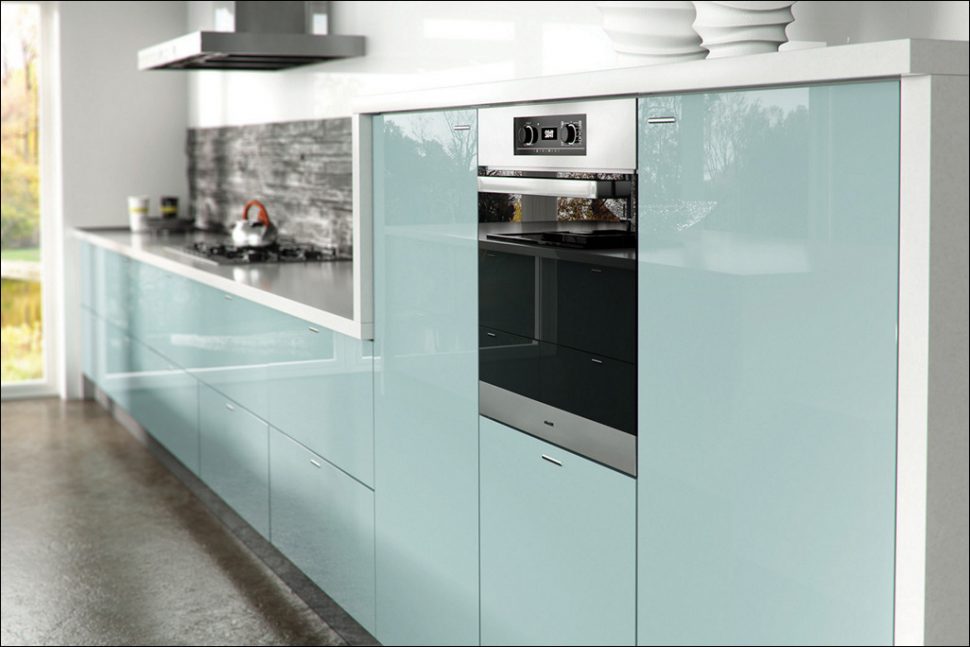
High gloss offers a level of sophistication to kitchen cabinetry
Measuring Gloss: When in Doubt Use a Gloss Reader for Gloss Measurement
The names assigned to these different gloss finishes are marketing tools. To better understand how they compare visually, an objective assessment must be employed. This is accomplished by using a gloss meter. The standard instrument used in our industry is a 60° geometry gloss meter. It provides measurements for a wide range of gloss values.
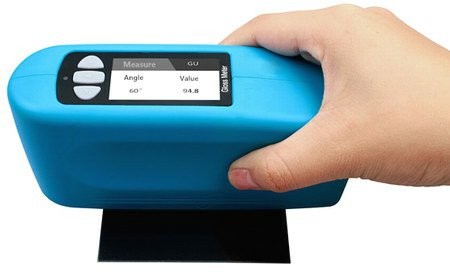
It is a fixed angle instrument that shines a known amount of light at a 60° angle from perpendicular and measures the reflectance from surface.

Gloss Levels: A Practical Guideline
Gloss is generally measured in gloss units (GU). The general guidelines for gloss description are as follows:
| Gloss Range | 60° Value |
| High Gloss | >70 Gloss Units |
| Medium Gloss | >10<70 Gloss Units |
| Low Gloss | <10 Gloss Units |
As previously mentioned, most suppliers and manufacturers will have their own gloss range cut-off points and associated gloss range names.
For applications that are targeted for specific gloss ranges, such as solely very low gloss or solely very high gloss measurements, a dedicated gloss meter with a different geometry will provide more accurate results.
The Twist: Gloss Levels on different Surfaces and Viewing Angles
Light reflected from a smooth surface does so in a very consistent uniform manner. The glossier the surface, the more regular and consistent it is. This is known as specular reflection. A low gloss surface is actually rough and uneven when viewed under magnification which impacts the way that light is reflected. The surface irregularities scatter the light in such a way that not all of the reflected light reaches the observer. This is known as diffuse reflection.
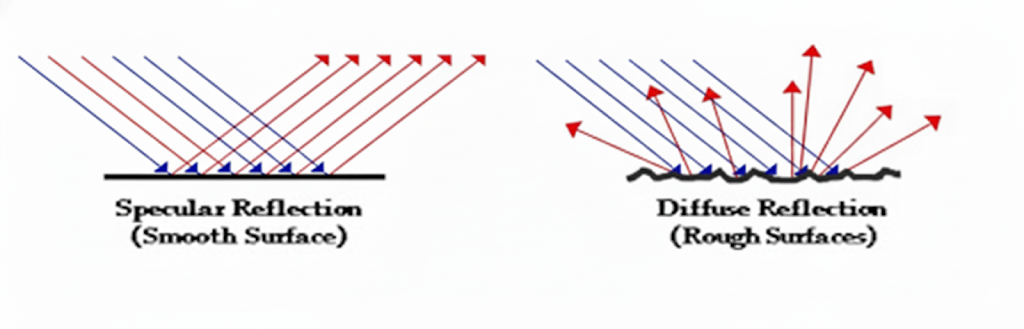
Surface variations and imperfections will affect gloss to some degree as the path of the reflected light is changed and will not fully reach the receiving sensor. Textured and embossed surfaces will fall into this category and will somewhat discount the accuracy of the gloss meter reading. Typically, a glossy version of a particular colour will appear darker and more vibrant than its low gloss version.
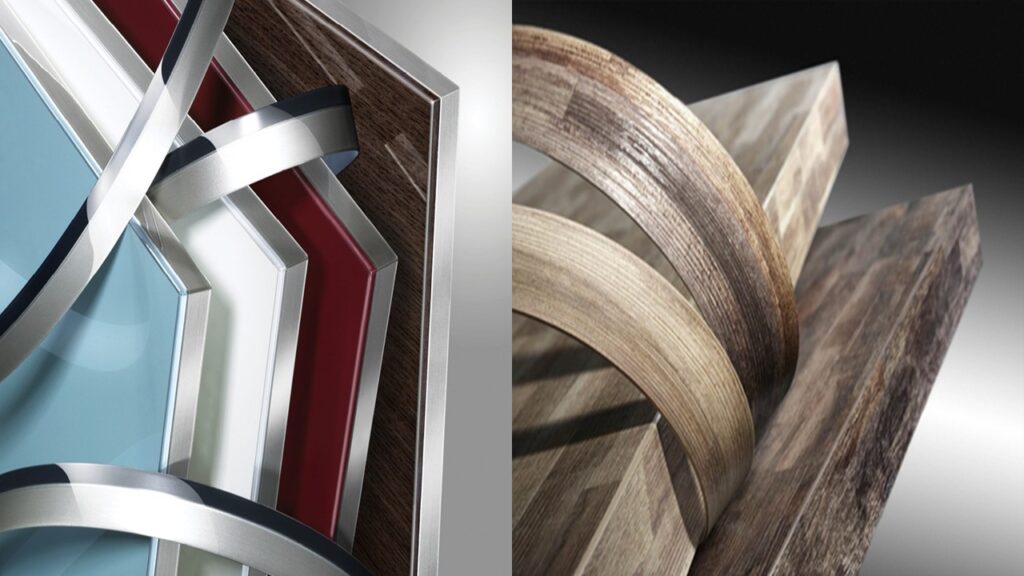
Compared to smooth surfaces, textured surfaces will discount the accuracy of the gloss meter reading
The Saviour: Spectrophotometers are not affected by differences in gloss when measuring color
Visually, variations in gloss between two samples can be somewhat diminished by holding the samples down at a fairly step angle below the horizontal in order to see a truer indication of the colour difference. The difference in gloss will be lessened by limiting the diffused reflection. (Figure A and B)
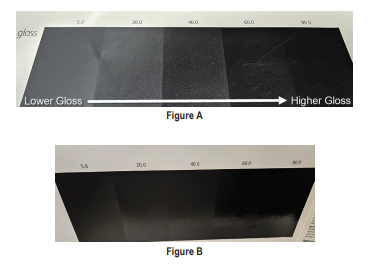
Variations in gloss between two samples can be somewhat diminished by holding the samples down at a fairly step angle to see the true color difference
Spectrophotometers are not affected by differences in gloss when they include the specular components of reflected light. They will see the true colour of the measured sample regardless of the surface characteristics. The glossy and low gloss examples shown above in Figures 1 and 2 would have a very close colour correlation when the specular component is included in the assessment.
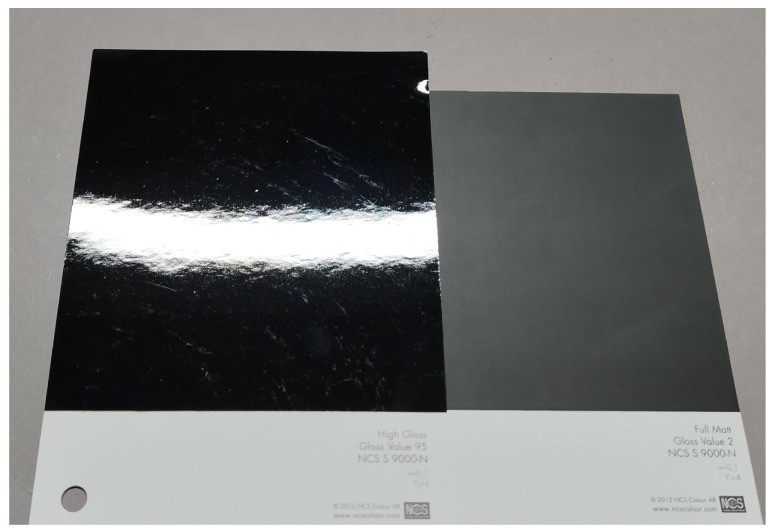
Figure 1
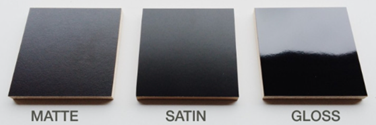
Figure 2
Spectrophotometers can also exclude the specular component of reflected light which will bring the colour comparison more in line with what the human eye sees. The glossy and low gloss examples shown above in Figures 1 and 2 would have a much closer visual colour correlation when the specular component is excluded in the assessment.
Summary
- 2025 Kitchen Color Trends: The industry is moving toward warmth and nature, favoring warm neutrals (greige, taupe), earthy greens (sage, olive), and sophisticated dark hues (navy, charcoal), often in two-tone designs.
- Gloss as a Fashion Element: Gloss, ranging from ultra matte (velvet-like, currently en vogue) to high gloss (mirror-like), is a critical aesthetic choice, determined by a protective topcoat.
- Objective Gloss Measurement: Descriptive names (e.g., Supermatte, Mirror Gloss) are marketing terms; objective assessment requires a 60° gloss meter which provides a measurable value in Gloss Units (GU) (High Gloss >70 GU, Low Gloss <10 GU).
- Gloss Affects Appearance: Low gloss surfaces cause diffuse reflection (light scatter), while high gloss surfaces result in specular reflection (uniform reflection); this makes glossy colors appear darker and more vibrant.
- Spectrophotometers Ensure True Color: To measure the true color of a sample regardless of gloss variations, a spectrophotometer must be used, especially when the specular component of reflected light is included.
Author: Steve Honey, Design & Colour Lab Supervisor at Surteco Canada Ltd.