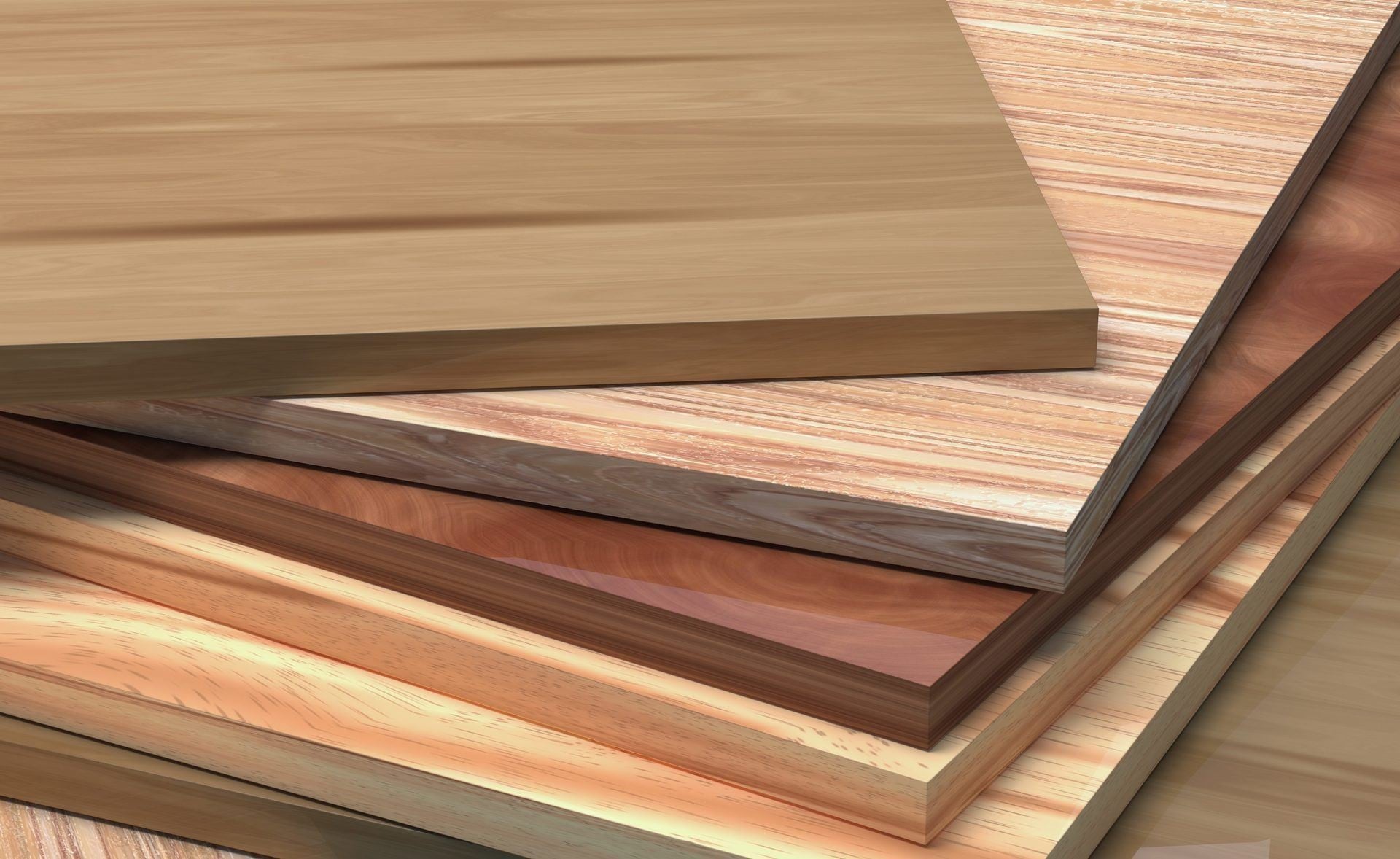
Understanding Wood Veneer: Methodologies Behind the Beauty


Have you ever marveled at the intricate patterns of wood grain on a beautiful piece of furniture, a custom cabinet, or even a luxury yacht interior? Chances are, you’re admiring real wood veneer. Far from being a synthetic imitation, real wood veneer is a testament to nature’s artistry, offering an unparalleled aesthetic that’s both sustainable and versatile. In this chapter, we’re going to pull back the curtain and explore the fascinating journey of real wood veneer, from its humble beginnings as a towering tree to the exquisite sheets that bring warmth and character to countless applications.
The Foundation: The Tree Itself
It all begins with the source: the tree. Not just any tree, mind you. The majority of logs destined for veneer production are meticulously selected for their straightness and quality. These giants of the forest can be harvested by dedicated timber companies or private landowners, and in many cases, they are even farm-raised, ensuring a continuous and responsible supply.
A significant portion of the real wood veneer supply today is categorized as a renewable source veneer. This commitment to sustainability is often underscored by certifications like FSC (Forest Stewardship Council) Forest Stewardship Council. This certification provides a vital “chain of custody,” tracking the wood from the moment it’s harvested all the way to the purchaser, guaranteeing that it comes from responsibly managed forests. There are even varying levels of FSC certification that can be attained, further solidifying the industry’s dedication to environmental stewardship.
The Art of the Slice: Traditional vs. Marinka
Once a suitable log is acquired, the next step is transforming it into thin, usable sheets of veneer. There are two primary methods for achieving this:
- Traditional Slicing: This is the most common method, involving very large, specialized blades that meticulously slice the log into thin veneers. It’s a precise process that allows for a variety of beautiful grain patterns, which we’ll delve into shortly.
- Marinka: Less commonly used, the Marinka method shaves veneer from dimensional lumber or what are referred to as “Kants.” While effective, traditional slicing remains the dominant force in the industry, especially here in North America.
For the purpose of this chapter, we’ll be focusing on the captivating world of traditional slicing methods, which represent the vast majority of veneer production.
Crafting the Grain: Specific Cuts and Their Beauty
Before the slicing even begins, the log itself can be strategically cut into quarters or other portions. This pre-slicing preparation is crucial because it dictates the specific type of veneer cut and, consequently, the unique grain pattern that will emerge. Let’s explore some of the most common and visually distinct cuts:
Rotary Cut: The Unfurling Scroll
Imagine peeling a giant apple, but instead of the peel, you’re getting thin sheets of wood. That’s essentially what rotary cutting achieves. The log is rotated against a long blade, peeling off continuous sheets of veneer much like unrolling a spool of paper towels.
Rotary cut veneer is characterized by its variegated grain appearance, which can vary tremendously from one sheet to the next. While its aesthetic might be less uniform, it is the preferred method for obtaining large sections of wood, making it ideal for manufacturing whole-piece faces in standard and oversized structural marine-grade panels. This method is often the least expensive veneer style, and crucially, it’s the only way to achieve an impressive 48-inch wide whole-piece face.

Quarter Cut: The Straight and Narrow with a Ray of Light
Also known as Quarter Sawn, Quarter Cut, or Quartered, quarter slicing is a meticulous cutting method. Here, the log is first divided into quarters. The quartered log is then sliced on a radial direction, approximately perpendicular to the growth rings. This technique produces a distinct straight grain appearance and often exaggerates the flake from the wood rays on the surface.
Quarter cutting is particularly common with red and white oaks because of this desired “flake” effect, but it can be applied to any species. If the goal is to avoid this flake effect and achieve an even tighter grain appearance, that’s where the rift cut comes into play.

Rift Cut: The Elegant Comb Grain
Rift cut veneer is predominantly produced from various species of Oak. Oak possesses unique medullary ray cells that radiate from the center of the log like the curved spokes of a wheel. To achieve the beautiful rift or comb grain effect, the log is cut at an angle of about 15 degrees off of the quartered position. This strategic angle allows the slicer to gracefully avoid the prominent flake figure of the medullary rays, resulting in a clean, linear grain.

Plain Sliced: The Classic Repeating Pattern
Plain slicing (also known as Plain Sawn or Flat Cut) a log produces thin veneers that are no wider than the log itself. The hallmark of plain sliced veneer is its pronounced repeating grain pattern. Because these pieces are limited in width by the log’s diameter, they must often be combined to create a full plywood face. This is where the artistry of “matching” comes into play, as pieces are carefully arranged to achieve the desired aesthetic for the customer.

From Log to Labeled Bundle: The Final Touches
Before the magic of slicing can begin, the logs undergo a vital preparation step: they are soaked in water, and in some cases, steamed. This ensures the moisture levels are perfectly balanced for optimal slicing, allowing for smooth, consistent cuts and preventing damage to the delicate wood fibers.
After slicing, the thin sheets of veneer are carefully kiln dried to further stabilize their moisture content. Then, they are meticulously assembled back into “Flitches” from the original log. These Flitches are typically bundled, usually consisting of 24 pieces of veneer per bundle. This organized presentation is referred to as “clipped and bundled,” meaning the edges of each veneer sheet have been cleanly trimmed.
Another form in which veneers can be sourced is “Domestic cut,” which refers to raw veneer coming directly off the slicer, un-clipped. Some operations have their own in-house clipping capabilities, eliminating the need for pre-clipped and bundled veneers.
From the careful selection of the tree to the precise methods of slicing and the final bundling, the creation of real wood veneer is a remarkable blend of nature’s beauty and human ingenuity. The next time you encounter a piece adorned with this natural material, you’ll have a deeper appreciation for the journey it undertook to become a part of your world.
Watch this video showcasing the process from wood log to sheet veneer products.
Courtesy of the Canadian Hardwood Plywood & Veneer Association and Veneer Tech
Author: Loren Brandt, Owner of Brandt Industrial Sales LLC.